
Just off Bali’s east coast lies Padang Bai, a small harbor town that serves as the main gateway
to Lombok. Every morning, fast boats depart from this port, crossing the Lombok Strait in
just 1.5 to 2.5 hours—making it the fastest and most scenic route between Bali and Lombok.
Unlike the slower public ferry, fast boats are a favorite among travelers looking to skip the
long wait and go straight to Lombok’s beaches, surf spots, and scenic highlands. Some boats
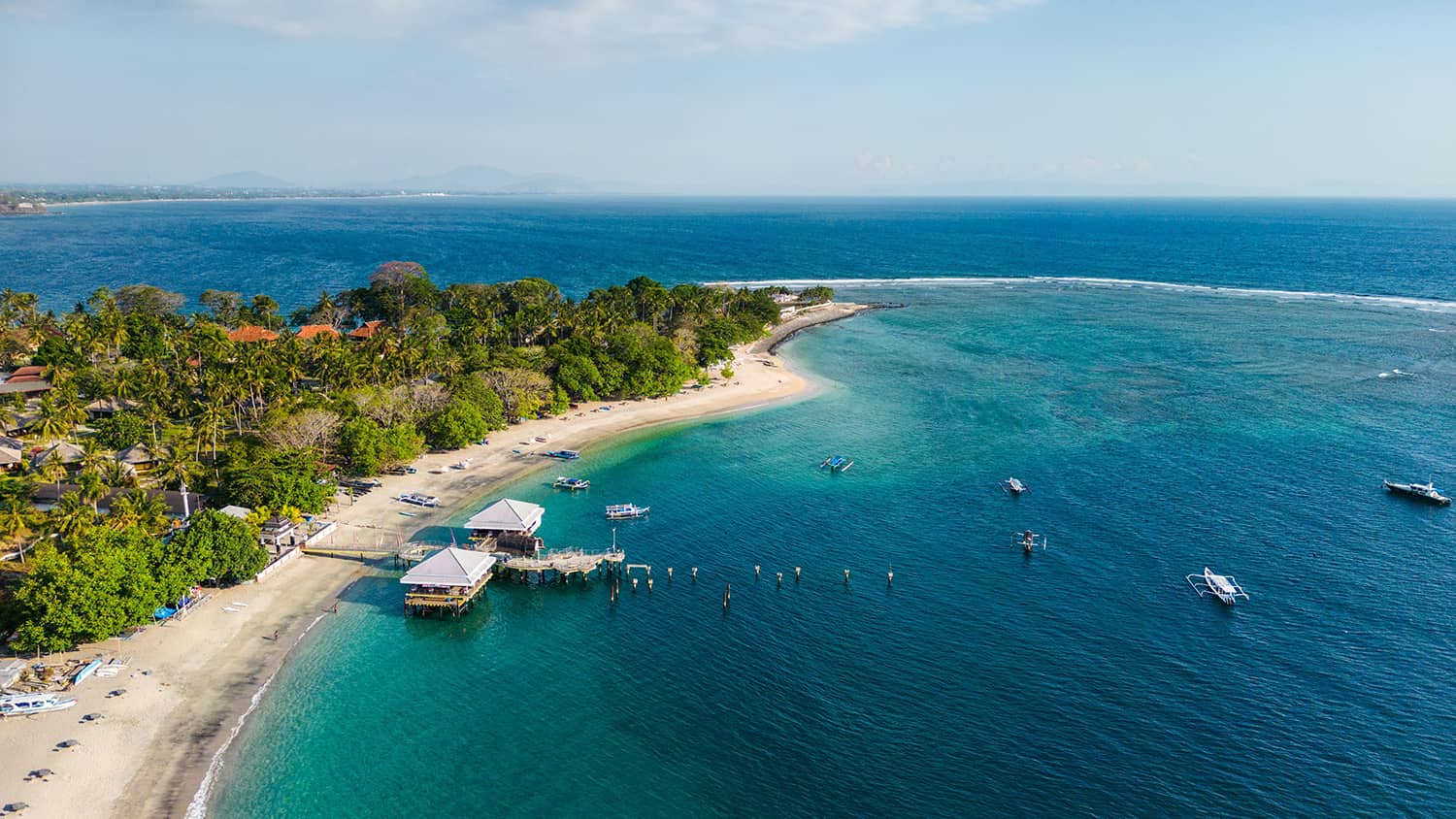
travel directly to Bangsal or Senggigi, while others make short stops at Gili
Trawangan or Gili Air along the way.
Over the years, this route has become popular with island hoppers, surfers, and
backpackers, offering rooftop views, fresh sea air, and the chance to spot dolphins along the
journey. Padang Bai itself is simple but charming, with a handful of local warungs and a
relaxed vibe—ideal for a quick meal or rest before departure.
Ticket prices range from IDR 300,000 to 900,000, depending on the boat operator and travel
season. Booking online is highly recommended—especially during holidays and high season—
for better prices and guaranteed seats. Operators like Golden Queen Fast Boat also offer hotel
pickups from Ubud, Canggu, Seminyak, and Kuta, making the transfer smooth from your
doorstep to the dock.
Boats are generally well-equipped, with indoor seating, life jackets, and often open-air
decks. It’s always smart to pack light and bring sunscreen, water, and motion sickness
tablets if you’re sensitive to rough seas.
Fast, reliable, and filled with unforgettable views, the Padang Bai to Lombok fast boat trip
is more than just transport—it’s the beginning of your next island journey.
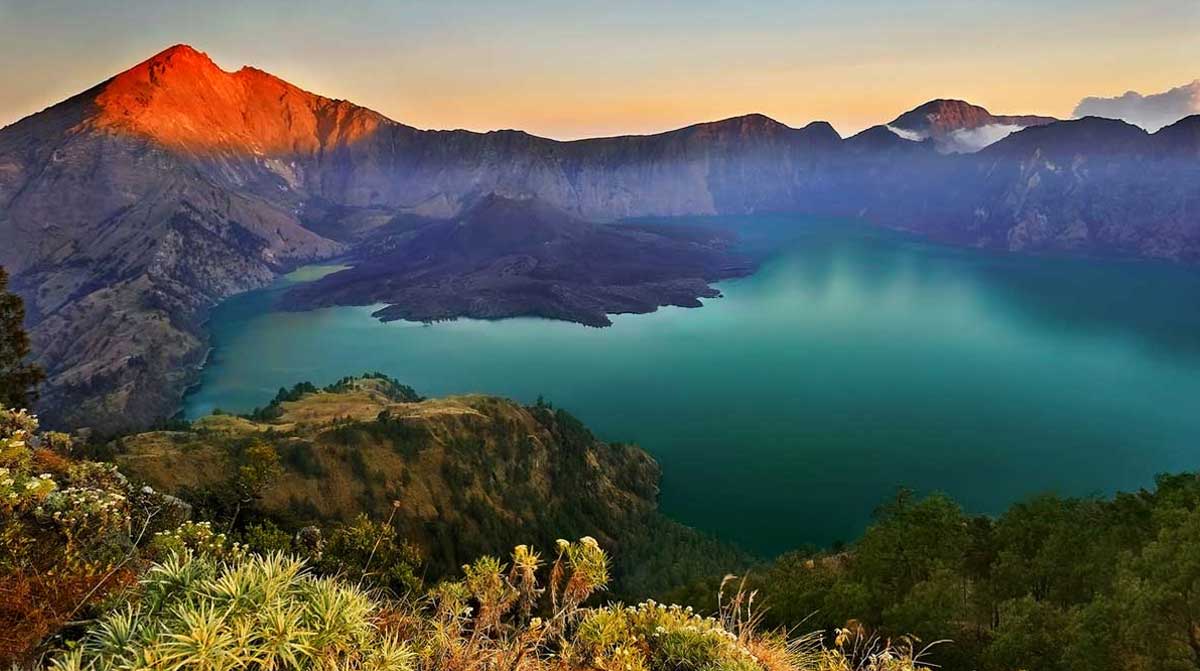
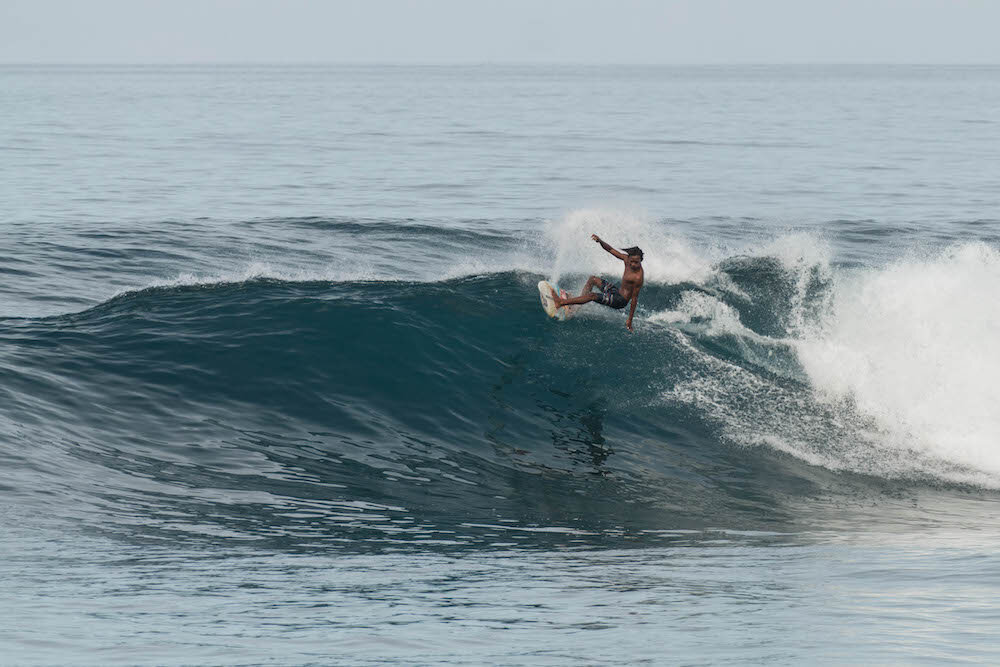
Whether you’re heading to Lombok for the world-class surf in Kuta, the laid-back beaches of
Senggigi, or a trek up Mount Rinjani, getting there is half the adventure. And when the boat
finally docks and you step onto a quieter, greener, and less developed island, you’ll understand
why so many travelers fall in love with Lombok.
In the end, the fast boat from Padang Bai to Lombok isn’t just about speed. It’s a beautiful
transition from one island rhythm to another—from the well-known paths of Bali to the
winding, sun-drenched coastline of a wilder, quieter paradise.


Golden Queen Fastboat ©️ 2024 All rights reserved.
